


Sepsis remains a major cause of illness and death and improving how it is recognised and treated is a growing focus across South Australia.
The Sepsis Improvement Project (SIP) is bringing a coordinated, statewide approach to this work.
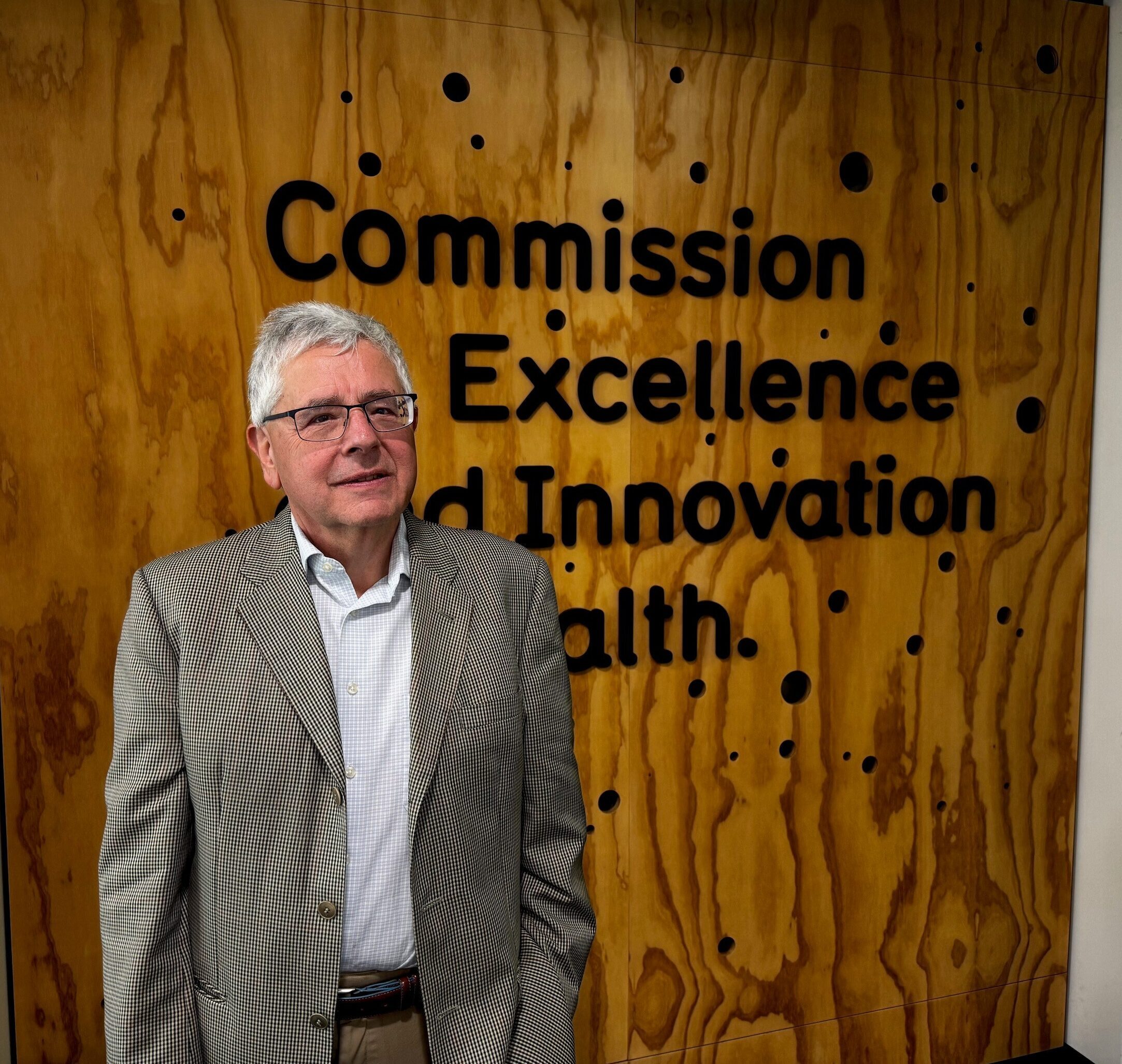
We recently welcomed Professor Andrew Bersten as the Clinical Lead. In this Q&A he shares what drives his work in sepsis care and his vision for improving outcomes across South Australia.
Could you tell us a bit about yourself and what drew you to this area of work?
Following a research fellowship in Canada, focused on sepsis and lung injury, I returned to Flinders Medical Centre as an Intensive Care Specialist. Alongside clinical practice, I’ve been fortunate to contribute to research, teaching and leadership, including as ICU Director and Clinical Director for Medicine, Cardiac and Critical Care. I’m now Executive Director of Research at the Southern Adelaide Local Health Network.
Sepsis is common and can have devastating outcomes, with around one in seven people dying and many survivors experiencing ongoing physical and mental challenges. While prompt recognition and best practice care can reduce this burden, it’s not always consistently achieved. The opportunity to be part of work that improves care and outcomes for people with sepsis is what draws me to this area.
Why does this work matter right now in South Australia?
South Australia is starting to see the benefits of a statewide electronic medical record. The data and insights this provides are a powerful opportunity to reduce unwarranted variation and improve care in an increasingly busy health system.
For example, developing a consistent digital identifier for sepsis can give us reliable data to understand current practice and where we need to improve.
What is the key challenge or opportunity for improving sepsis care?
Sepsis is a clinical diagnosis involving infection and organ dysfunction, and early detection can be challenging because other conditions may present in similar ways.
The key opportunities are in:
- preventing infections where possible
- detecting sepsis earlier
- providing timely and appropriate treatment
- supporting consistent recognition and diagnosis across clinicians.
What motivated you to take on this Clinical Lead role?
I was motivated by the opportunity to work with the CEIH, SA Health, and consumers on an important and prevalent issue that has been central to my clinical career.
How will you approach leading this work?
I’m aware that significant planning and engagement has already taken place. My approach will be to first listen and understand this work, then build on it.
I plan to work closely with clinicians, subject matter experts and consumers, and to use data to guide decisions. A learning health system approach — combining statewide direction with local action — will be central to improving care and outcomes.
What does success look like?
Success will mean strong engagement across the system and measurable improvements in care that address what matters most to consumers.
Learn more about the Sepsis Improvement Project.