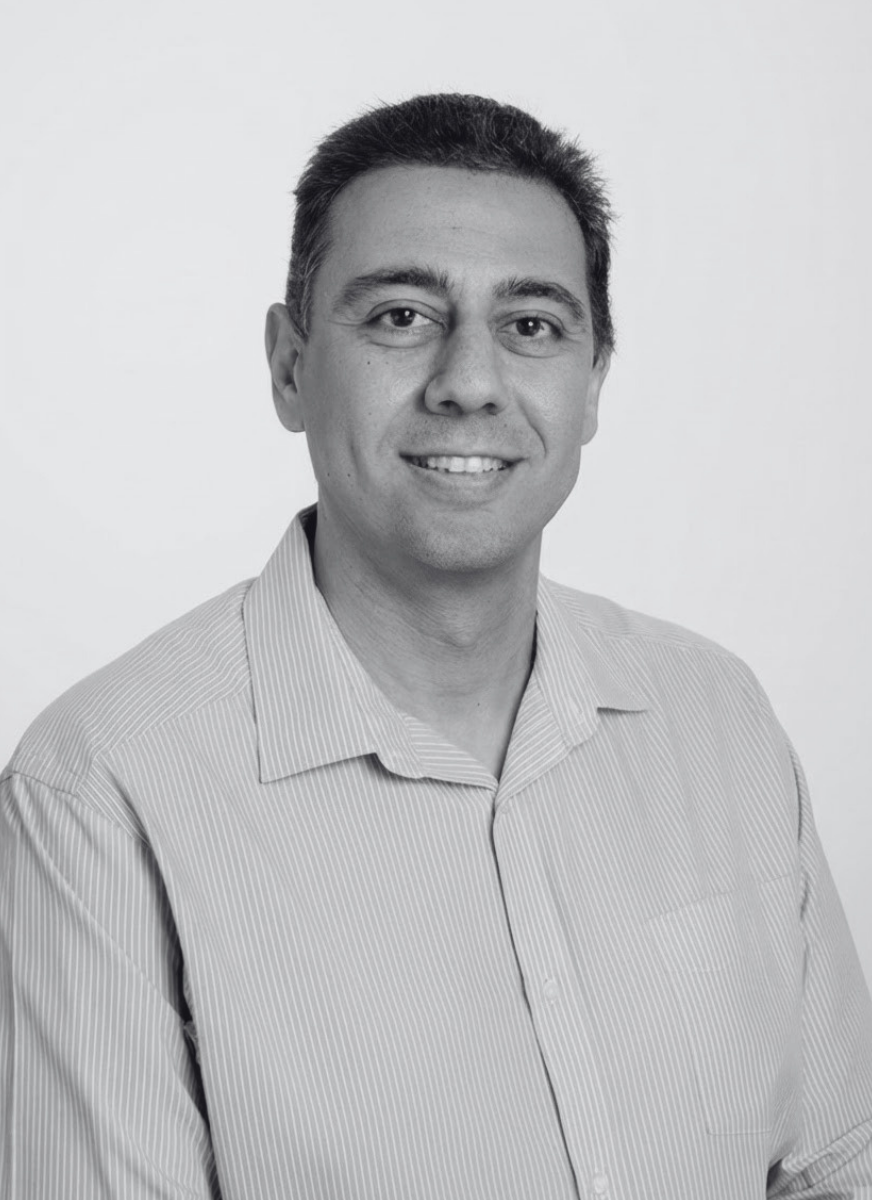
Tony Stavrou is a Project Manager who has been part of the CEIH since it began.
He’s currently supporting the Clinical Registries Priority Focus Area project and Chronic Pain, Renal and Trauma Statewide Clinical Networks.
1. What is your role and what are you working on currently?
I’m a Project Manager at the Commission on Excellence and Innovation in Health (CEIH). My work focuses on leading statewide health improvement initiatives that bring together clinicians, consumers, researchers and health services to improve outcomes for South Australians. Currently, I’m working on several projects, including the Clinical Registries Program and helping Adelaide University to establish a new telehealth pain physiotherapy service using digital pathways. I’m also a network adviser to the Chronic Pain, Renal and Trauma Statewide Clinical Networks.
A key part of my role is helping turn good ideas into practical, sustainable improvements that can be embedded across the health system.
2. What drew you to working at the CEIH and what keeps you motivated?
I have been at the CEIH from the very beginning, helping the then Commissioner, Professor Paddy Phillips design and build the CEIH into SA’s health innovation agency. The CEIH has a unique ability to bring together people from different disciplines and organisations to solve complex challenges. What keeps me motivated is knowing the work we do can improve experiences and outcomes for patients, families and clinicians across South Australia.
3. What’s one project or achievement you’re proud of?
I’m proud of being part of the partnership between the CEIH, the Women’s and Children’s Health Network and the Central Adelaide Local Health Network to establish an online pathway and online consent for genetic screening. The project was recognised by winning the Minister’s Innovation Award at the SA Health Awards.
I’m also looking forward to contributing to the development of the Clinical Registries project. Clinical registries provide valuable data that supports quality improvement, informs decision-making and helps drive better patient outcomes. Being involved in work that strengthens how we use data and evidence to improve healthcare delivery is incredibly rewarding.
4. What’s one book, podcast, or resource that’s influenced your thinking lately?
I try to draw knowledge and ideas from a large range of resources; however, it’s our people that have influenced my thinking the most. I have been lucky enough to work closely with some amazing people including clinical leaders such as the Statewide Clinical Network leads and other brilliant clinicians and others within the networks I have supported.
5. If you could solve one problem in your field (or the world), what would it be?
I’d love to solve the challenge of ensuring everyone has equitable access to high-quality healthcare, regardless of where they live, their background or their circumstances. We have incredible clinical expertise and innovation across the system, but there is still work to do to make sure those benefits reach everyone who needs them.
6. How do you recharge? What helps you maintain your own wellbeing?
The beach is my recharge place, I joke that I am solar powered, so time in the sun at the beach is where I want to be. Just chilling at home having a laugh with the family is a close second.