What this means for the people of South Australia
This program of work supports people affected by cancer to access treatment and services that are easier to navigate, better coordinated, and more responsive to their individual circumstances.
Cancer care can be complex, and people can face many barriers accessing the right care at the right time, particularly when services aren’t well connected.
Why this work matters
Many navigation initiatives already exist in South Australia, but they are not always visible, connected or consistent across services and settings.
Without a more system-wide approach, people are at risk of experiencing confusion, delays and avoidable gaps in care.
The role of the South Australian Comprehensive Cancer Network (SACCaN)
SACCaN leads a system level approach to cancer navigation by: building on existing roles and services, aligning navigation with other priorities such as Optimal Care Pathways (OCPs), data to inform personalised care, clinical trials and ensuring lived experience and clinical insight shape this work.
Who we are working with
- clinicians across cancer services
- consumers and carers with lived experience
- Aboriginal health services
- Local Health Networks (LHNs) and statewide services
- system and policy partners.
This includes working closely with groups who face additional barriers to care, such as Aboriginal communities and people living in rural or remote areas.
What's happening now
- Supporting the implementation of the South Australian Cancer Navigation Framework and Action Plan.
- Co‑designing navigation priorities with clinicians, consumers and Aboriginal health services through the Holistic care and Optimising Patient Experience (HOPE) sub-committee.
- Developing statewide indicators to better understand access, coordination and patient experience.
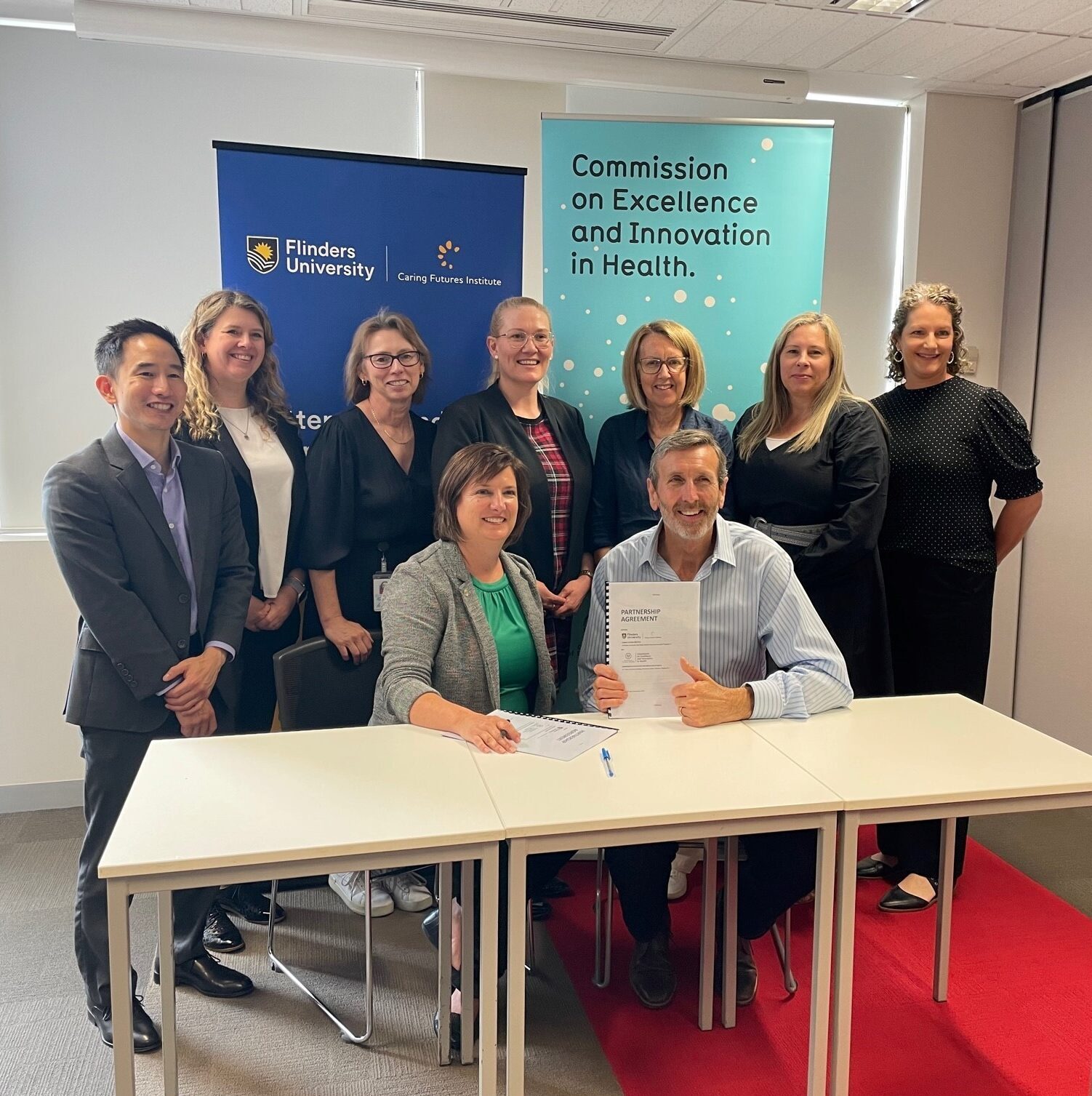
- Supporting PhD scholarships in partnership with Flinders University.
Learn more