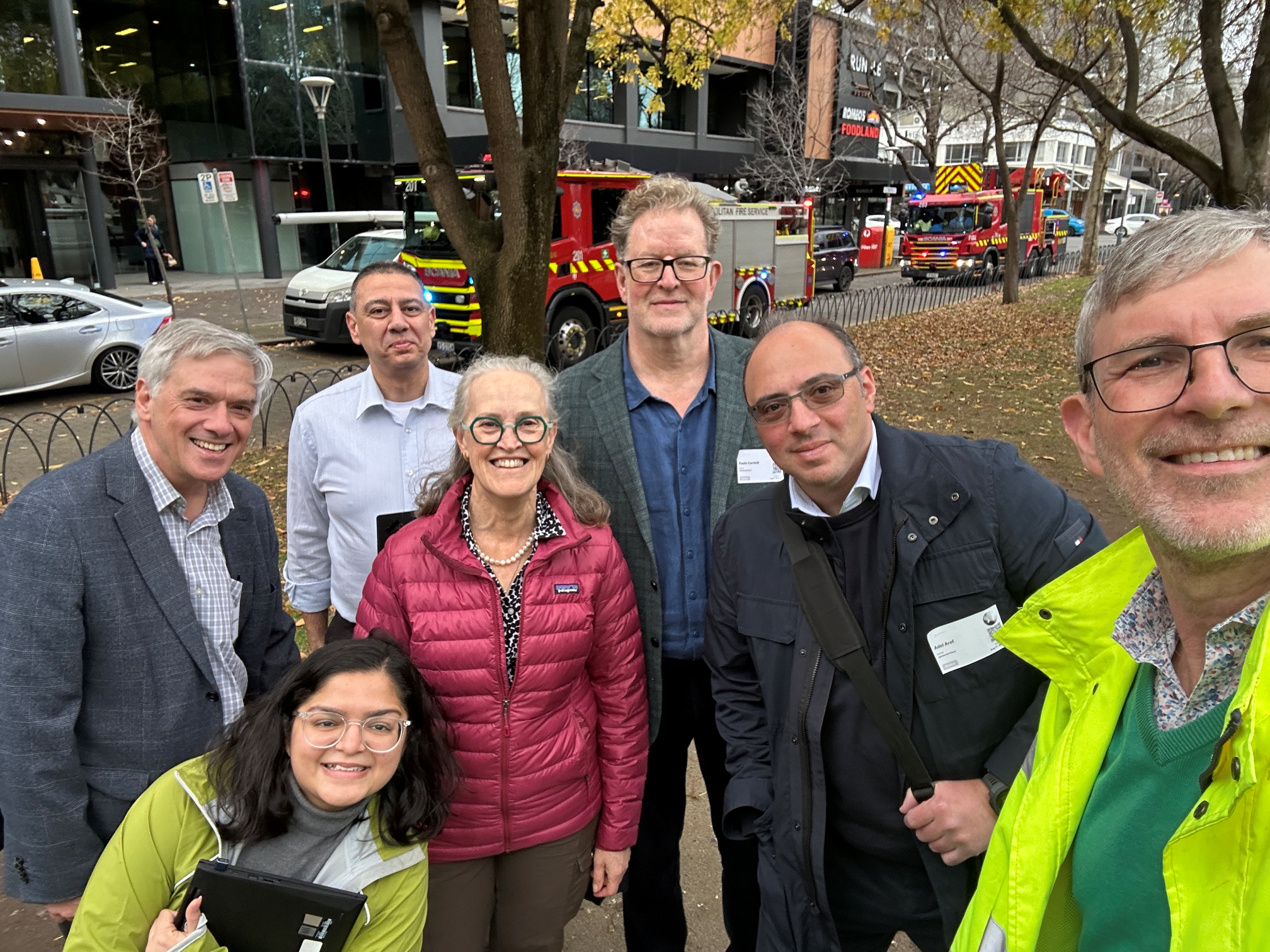
The CEIH’s Priority Focus Areas (PFAs) continue to bring together clinicians, consumers and partners to address some of the most important opportunities for improvement across South Australia’s health system.
Recent progress has focused on strengthening data and governance, improving clinical practice and building the foundations for sustainable system-wide improvement.
Sepsis Improvement
The Sepsis Improvement project has been defining the scope of its work, with a focus on supporting better monitoring and clinical insights and stronger adherence to the National Clinical Care Standard.
Three priority workstreams have been identified, including:
- Surveillance, clinical informatics and EMR enablement – development of a statewide sepsis surveillance definition, LHN-level data and clinical improvement tools, and EMR-enabled sepsis support.
- Sepsis awareness and capability – strengthening early recognition and escalation pathways, improving workforce education and training, exploring sepsis care coordination, and increasing community and primary care awareness.
- Paediatric and Aboriginal health – a dedicated focus on sepsis in children, surveillance, Aboriginal neonatal and child health outcomes, and the role of family concern in recognition and escalation.
A key feature of the project will be its learning health system approach which will strengthen the use of data, audit and feedback processes, and LHN-led quality improvement activities to support ongoing improvement in sepsis care.
Clinical Registries
The Clinical Registries project is progressing a statewide roadmap to strengthen governance, digital integration and the use of data to support better patient outcomes and service improvement.
Consultation and current-state analysis have now been completed, with governance groups established and work underway across four priority workstreams:
- operating framework and governance
- register of Clinical Registries
- digital integration and data capture
- sustainable resource and investment strategy.
The project aims to create a more coordinated and sustainable clinical registries ecosystem that supports evidence-informed decision-making and continuous improvement across SA Health.
The Clinical Registries work was featured earlier in the year in the CEIH Innovation and Improvement Showcase Series 19.
Rheumatic Fever and Rheumatic Heart Disease
The Rheumatic Fever and Rheumatic Heart Disease project has completed its discovery phase and is now working with its newly established steering committee to refine priorities and next steps.
Current work is focused on understanding the existing landscape, including data systems and access to echocardiography, while engaging stakeholders to identify barriers, gaps and opportunities for improvement.
People involved in projects or initiatives related to rheumatic fever or rheumatic heart disease are encouraged to contact the team at CEIH.RheumaticFever@sa.gov.au.